
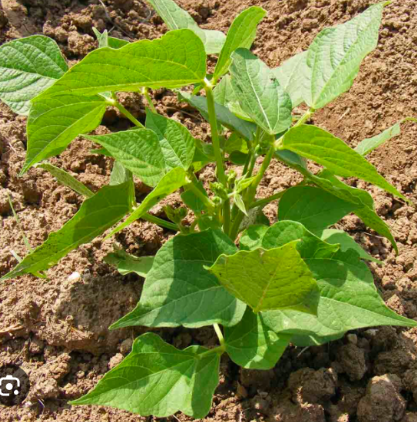
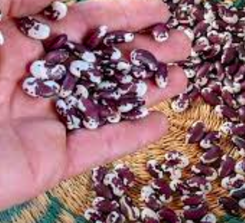
The existence of the 1500 year old cave bean today is a bit of a miracle. These beans were discovered in a sealed clay pot, left behind in a room in one of the dwellings of the Anasazi people. There is a mystery surrounding the disappearance of these people. When they had left their homes, it looked as though they intended to return in a few minutes. This was evidenced because they left behind so many items which were a part of their daily lives and which would not have been left behind in a planned migration, including the precious clay pot containing the beans.
A Healthier Bean
These beans would have been a highly valued crop by the Anasazi people because they are easy to grow and they are drought resistant due to their deep root system.
Like other beans, Anasazi beans are rich in protein, fiber, and iron but what makes these beans unique is that they contain only a quarter of the oligosaccharide content of other beans. Oligosaccharides are what make other beans difficult for people to digest. The Anasazi beans are also lower in calories and carbohydrates and have a low glycemic index, helping to prevent diabetes and control blood pressure. Anasazi beans also contain high levels of calcium and potassium and they assist in reducing inflammation. It is believed that, as the Anasazi traded and cultivated their beans, they were altered and many of the health benefits of these beans was lost. This makes the discovery of this particular strain of 1500 year old beans that much more important.
The Disappearance of the Anasazi People
The discovery of the way the Anasazi left their homes led to a great deal of speculation as to what had happened to these people. Part of what makes the disappearance of these people such a mystery is that they were known to have a sophisticated and developed way of life.
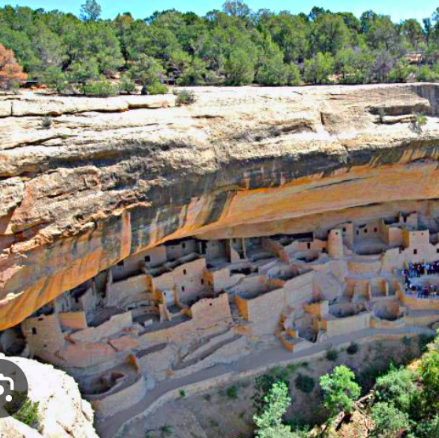
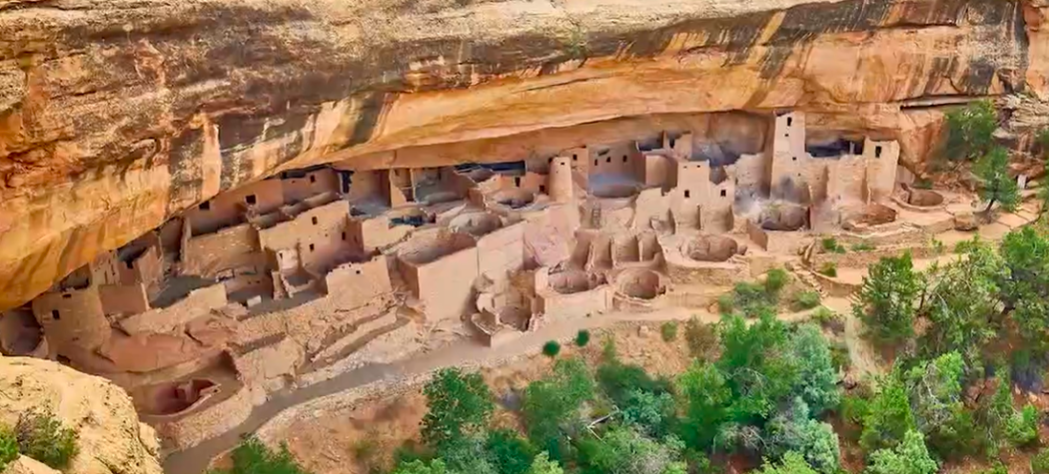
They were known for their complex dwellings, which they built under overhanging cliffs to protect them from the elements. Building these homes was no simple task as they used sandstone cut from the land below and carried up to the cliffs, and a mud mortar to build structures which are still standing today.
A Healthier Bean
These beans would have been a highly valued crop by the Anasazi people because they are easy to grow and they are drought resistant due to their deep root system.
Like other beans, Anasazi beans are rich in protein, fiber, and iron but what makes these beans unique is that they contain only a quarter of the oligosaccharide content of other beans. Oligosaccharides are what make other beans difficult for people to digest. The Anasazi beans are also lower in calories and carbohydrates and have a low glycemic index, helping to prevent diabetes and control blood pressure. Anasazi beans also contain high levels of calcium and potassium and they assist in reducing inflammation. It is believed that, as the Anasazi traded and cultivated their beans, they were altered and many of the health benefits of these beans was lost. This makes the discovery of this particular strain of 1500 year old beans that much more important.
The Disappearance of the Anasazi People
The discovery of the way the Anasazi left their homes led to a great deal of speculation as to what had happened to these people. Part of what makes the disappearance of these people such a mystery is that they were known to have a sophisticated and developed way of life.
They were known for their complex dwellings, which they built under overhanging cliffs to protect them from the elements. Building these homes was no simple task as they used sandstone cut from the land below and carried up to the cliffs, and a mud mortar to build structures which are still standing today.
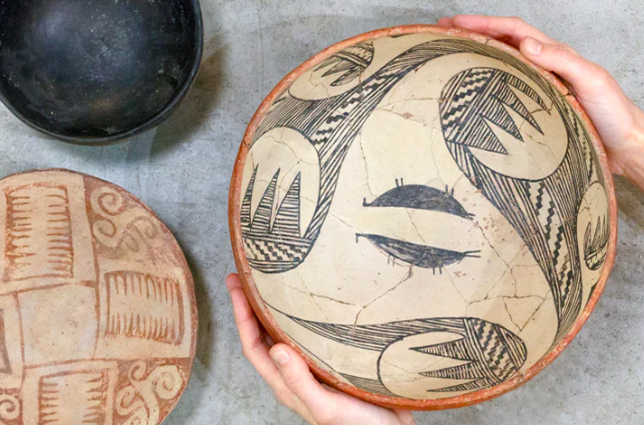
In addition to their unique house structures, they created extensive networks of roadways, transportation systems, and communication routes. They made ornate, and highly functional pottery. The Anasazi were also said to possess considerable knowledge of astronomy.
And yet, despite all of these accomplishments and evidence that they lived in these areas for more than 1000 years, within a single generation, the Anasazi were gone. To this day, no one really knows why they disappeared. Some theories suggest that there may have been a drastic change in the climate, possibly resulting in a decrease of rainfall which led to a drought. Temperatures may have dropped shortening the growing season and causing a depletion of resources needed to support them. A population explosion may have taxed the community forcing people to leave. Another theory is that the Anasazi were attacked by other, threatening tribes or people moving through the land. There is some evidence that the Anasazi moved south and possibly disbursed as a culture, blending into other tribes and losing their own culture as they took up the ways of others in order to survive.
And yet, despite all of these accomplishments and evidence that they lived in these areas for more than 1000 years, within a single generation, the Anasazi were gone. To this day, no one really knows why they disappeared. Some theories suggest that there may have been a drastic change in the climate, possibly resulting in a decrease of rainfall which led to a drought. Temperatures may have dropped shortening the growing season and causing a depletion of resources needed to support them. A population explosion may have taxed the community forcing people to leave. Another theory is that the Anasazi were attacked by other, threatening tribes or people moving through the land. There is some evidence that the Anasazi moved south and possibly disbursed as a culture, blending into other tribes and losing their own culture as they took up the ways of others in order to survive.
|
A Seed From the Past Comes to the Present
Although the mystery of what happened to these industrious peoples remains unsolved, when they left, they left behind the 1500 year old cave bean. When one considers that most beans are only viable for 50 years, it is amazing that these beans were still viable after hundreds of years. The dry, relatively cool conditions of an Arizona cave must have been just good enough to ensure the survival of these few beans for centuries. People today who are working to restore their environments to promote a return to traditional foods and food practices can find an original and healthier food source in the 1500 cave beans. By continuing to grow this strain of bean, we can all find a healthier food source and keep the story of this seed growing for many years to come. |