
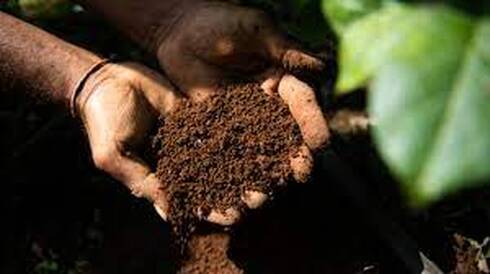
 What Is Regenerative Farming? Regenerative farming is a holistic view of agriculture as it focuses on restoring soil health. Ideally, it’s a mix of microorganisms, plants and animals on farms that create and support healthy soil, strong crops and resilient natural systems … and they don’t require chemicals to manage pests and disease. Regenerative farming relies on practices like cover cropping, crop rotation, composting, grazing management and no-till, which replenish and restore the soil with nutrients and help retain moisture content. These regenerative agriculture practices also reduce or eliminate the need for synthetic fertilizers and pesticides, and prevent toxic runoff into local water sources. Regenerative farms often feature diverse crop varieties and pasture land for grazing animals … important factors in creating a healthy ecosystem. Ultimately, these processes increase the production of healthy, safe food and other agricultural products. Is Regenerative Farming Organic? It can be but organic farming follows a strict set of standards overseen by the federal government. It’s defined by the USDA as “a production system … that respond(s) to site-specific conditions by integrating cultural, biological, and mechanical processes that foster cycling of resources, promote ecological balance, and conserve biological diversity.” So the foods produced may be organic, but the intent is not to improve the land being farmed. To be “regenerative organic,” a farm can practice the management principles of regenerative farming to focus on the soil and its health … and meet organic standards as well. The Benefits Of Regeneratively Grown Food Regenerative farming practices support the environment as well as:
Regenerative Farming Yields More Nutrients
A 5 year study done by the University of Washington followed 10 farms in the midwest and eastern US. They grew test crops of an acre of peas, sorghum, corn or soybeans to compare with conventional farming methods. The food grown under regenerative practices contained, on average, more magnesium, calcium, potassium and zinc, more vitamins, including B1, B12, C, E and K; and more phytochemicals. Crops grown on the regenerative farms were also lower in sodium, cadmium and nickel compared to conventionally grown crops. Studies conducted by Ohio State University showed that regenerative farming restored degraded soils and increased biodiversity. This can improve the ecosystem in areas of pollination and pest control which are essential for crop production. Additionally, a study published in the journal Nature Communications showed that transitioning even just 1-4% of croplands globally into regenerative agriculture could save 4 million hectares of land from deforestation.
0 Comments
Leave a Reply. |
AuthorsThe contributing members of this blog are herbalists, teachers, visionaries, among others. All women, heeding the call to bring our the planet into harmonious balance. Archives
December 2023
Categories |
 RSS Feed